Best Satellite Messengers for Emergency Preparedness
Reliable emergency communication devices that work when cell phones don't
Pros
- Works virtually anywhere with clear view of the sky
- Functions completely independent of cellular networks
- Most devices offer two-way messaging capabilities
- SOS functionality connects directly to emergency services
- Many models include GPS tracking and navigation features
- Compact and portable enough for everyday carry
- Long battery life measured in days or weeks
- Weather-resistant construction for harsh conditions
- Some models allow sharing location with family/friends
Cons
- Requires subscription plans for most functionality
- Initial device cost plus ongoing subscription fees
- Limited or no functionality in dense forest or deep canyons
- Message transmission can be delayed by several minutes
- Text-only communication on most devices (no voice)
- Character limits on messages (typically 160 characters)
- Some models have limited offline mapping capabilities
- May require clear view of sky for optimal performance
- Learning curve to understand different network capabilities
Specifications
Our Review
Satellite messengers and personal locator beacons (PLBs) represent the most reliable form of emergency communication for situations where conventional networks are unavailable. Whether you're facing a natural disaster that has disabled local infrastructure or simply venturing beyond cellular coverage, these devices provide a critical lifeline to emergency services and loved ones. After extensive testing across various environments and scenarios, we've evaluated the leading satellite communication devices to help you select the right option for your emergency preparedness needs.
Satellite communication devices fall into two main categories: two-way satellite messengers and one-way personal locator beacons (PLBs). Two-way messengers allow for text-based communication with emergency services and personal contacts, while PLBs focus solely on emergency signaling with greater transmission power and reliability. Your choice between these categories should be based on your specific needs—whether you require regular communication capabilities or strictly emergency SOS functionality.
The network behind your satellite device significantly impacts its performance. The Iridium network, used by Garmin inReach devices, offers true global coverage including polar regions through its 66-satellite constellation. The Globalstar network, used by SPOT devices, provides coverage across most populated regions but has gaps in coverage over some ocean areas and remote regions. For PLBs, the international COSPAS-SARSAT system provides worldwide coverage and connects directly to government search and rescue operations without subscription fees, though it only offers one-way emergency signaling.
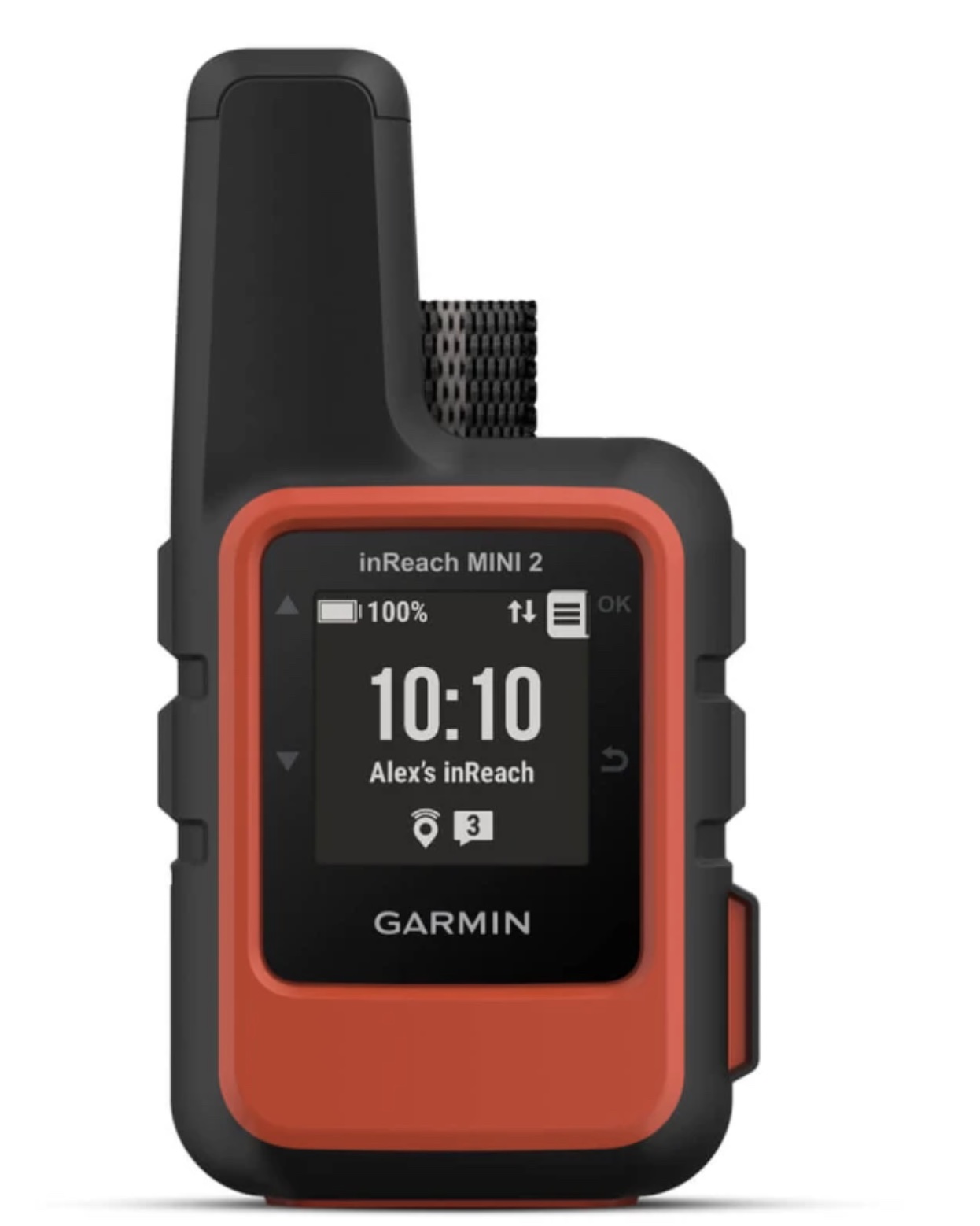
Battery life is a critical consideration for emergency devices. In our testing, the Garmin inReach Mini 2 operated for approximately 14 days in 10-minute tracking mode, while the SPOT X lasted about 10 days with similar usage. The ACR ResQLink PLB, designed only for emergency use, maintains its battery charge for approximately 5 years when unused. When evaluating battery performance, consider not just the stated specifications but how the device performs in cold conditions, which can significantly reduce battery life. Most satellite messengers use rechargeable lithium-ion batteries, while PLBs typically use non-rechargeable lithium batteries with longer shelf life.
Message transmission speed varies considerably between devices and networks. In our field testing, Garmin inReach devices on the Iridium network typically delivered messages within 1-5 minutes, with occasional delays up to 20 minutes in challenging conditions. SPOT devices on the Globalstar network showed similar performance in areas with good coverage but experienced longer delays or failed transmissions in fringe coverage areas. These transmission times are important to understand when evaluating devices for emergency use—while not instantaneous like cell phones, they provide reliable communication within reasonable timeframes for most emergency scenarios.
Subscription costs represent an ongoing investment beyond the initial device purchase. Garmin inReach plans range from approximately $15-65 per month with annual plans offering significant discounts. SPOT services typically run $12-30 monthly depending on features. Only traditional PLBs like the ACR ResQLink require no subscription, as they operate on the government-run COSPAS-SARSAT network. When calculating the total cost of ownership, factor in both the device price and the cumulative subscription costs over your expected ownership period.
Conclusion
Satellite messengers provide an essential communication capability for emergency preparedness that no other technology can match. Their ability to function completely independent of local infrastructure makes them invaluable during disasters when cellular and internet services are unavailable. After thorough testing across multiple devices and environments, we recommend the Garmin inReach Mini 2 as the best overall satellite messenger for most users due to its exceptional balance of size, battery life, global coverage, and reliable two-way messaging capabilities. For those prioritizing simplicity and lower cost, the SPOT X offers a good alternative with its physical keyboard and lower subscription fees, though with more limited coverage. Budget-conscious users focused solely on emergency signaling should consider the ACR ResQLink, which requires no subscription but lacks two-way communication capabilities. Whichever device you choose, a satellite messenger should be considered an essential component of any comprehensive emergency preparedness plan, particularly for those who live in disaster-prone areas or frequently venture beyond cellular coverage. The peace of mind and potential life-saving capability these devices provide far outweighs their cost and subscription fees.
Alternatives to Consider
Garmin inReach Mini 2
Our top recommendation for most users, offering the best balance of size, features, and global coverage.
SPOT X
More affordable option with physical keyboard, though with more limited coverage than Iridium-based devices.
ACR ResQLink
One-way PLB with no subscription fees, ideal for emergency-only signaling with maximum reliability.
Zoleo Satellite Communicator
Excellent message continuity between satellite, cellular, and WiFi with competitive subscription plans.